Is it illegal to make a fake birth certificate
- First published:
- 13 min read
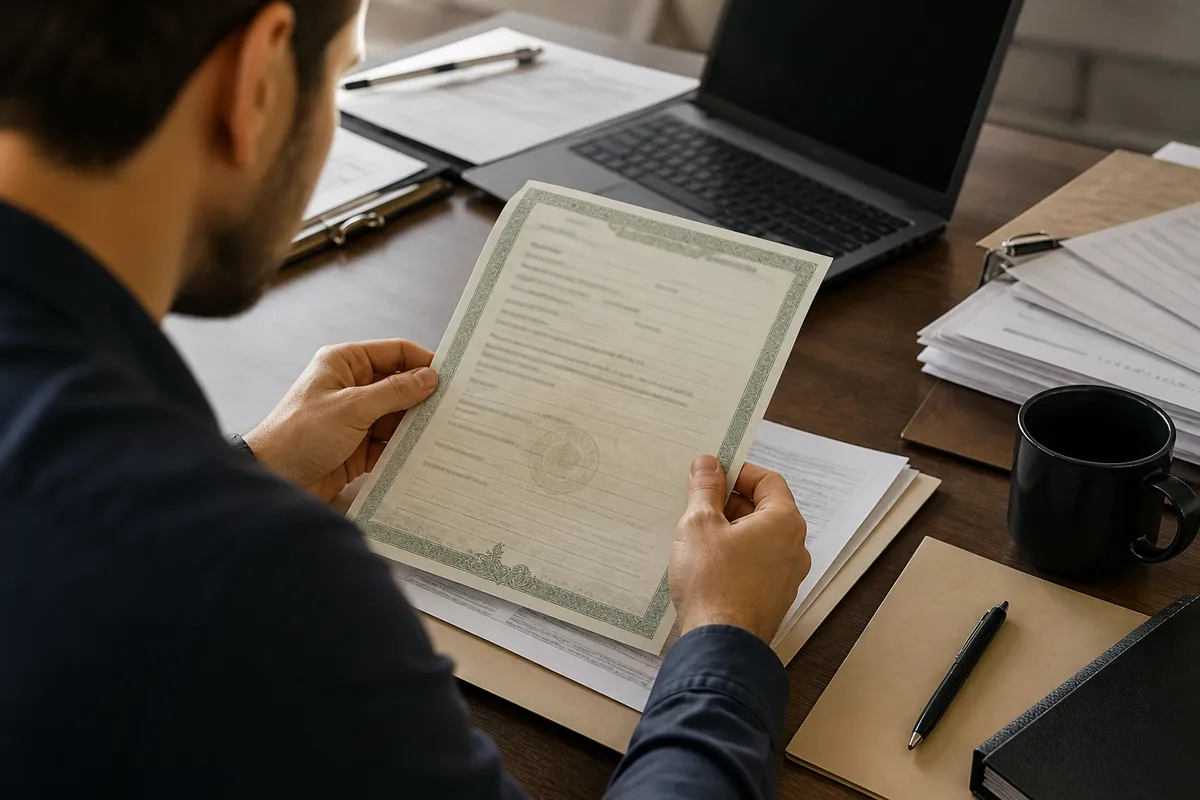
Is creating a fake birth certificate illegal in the U.S. and other countries?
Creating a fake birth certificate is illegal in the United States and many other countries. Under U.S. federal law, specifically 18 U.S. Code § 1028, knowingly producing or possessing a false birth certificate with intent to defraud can lead to penalties of up to 15 years in prison and/or fines (1). The False Identification Crime Control Act of 1982 also imposes fines of up to $25,000 and/or imprisonment for up to 5 years for birth certificate fraud (3).
State laws vary, but many states have strict penalties. For instance, California’s Penal Code § 529a states that manufacturing or selling a false birth certificate can result in imprisonment for up to one year (2). Additionally, California Health and Safety Code § 103780 makes it a crime to willfully alter or falsify a birth certificate, also punishable by up to one year in prison (4).
The legal implications extend beyond just the act of forgery. Possessing a fake birth certificate for fraudulent purposes can be classified as identity theft, which carries severe penalties under federal law.
Internationally, the legal stance is similarly stringent. In the United Kingdom, the Identity Documents Act 2010 criminalizes the possession or use of false identity documents, including birth certificates, with penalties that can include up to 10 years in prison (5). Canada also has laws against forgery and identity fraud, imposing significant penalties for those found guilty of creating or using fake documents.
In summary, creating or using a fake birth certificate is illegal across various jurisdictions, with significant penalties attached.
What are the potential penalties for making or using a fake birth certificate?
Creating or using a fake birth certificate can lead to serious legal consequences. Penalties vary between federal and state laws, as well as across different jurisdictions.
Under U.S. federal law, specifically 18 U.S. Code § 1028, knowingly producing or possessing a false birth certificate with intent to defraud can result in a fine and/or imprisonment for up to 15 years if the document appears to be an official identification (1). The False Identification Crime Control Act of 1982 further stipulates that fines can reach up to $25,000 and imprisonment for up to 5 years for birth certificate fraud (3).
State laws can impose their own penalties. For instance, California Penal Code § 529a provides that manufacturing or selling a fake birth certificate can lead to imprisonment in a county jail for up to one year (2). Additionally, California Health and Safety Code § 103780 makes it a crime to willfully alter or falsify a birth certificate, with similar penalties of up to one year in prison (4).
In terms of misdemeanor versus felony charges, many states treat birth certificate fraud as a misdemeanor unless linked to larger crimes or significant financial loss. This means that while someone could face jail time, it might not be as severe as a felony charge, which carries longer sentences and more substantial fines (6).
Real-world examples highlight the seriousness of these offenses. For instance, using a fake birth certificate for immigration fraud can lead to federal charges, resulting in significant prison time (1).
Internationally, laws are just as strict. In the UK, the Identity Documents Act 2010 criminalizes the possession or use of false identity documents, including birth certificates, with penalties that can include imprisonment for up to 10 years (5).
Understanding the potential penalties for creating or using fake birth certificates is crucial. The legal ramifications can be severe, affecting not just freedom but also future opportunities.
When is it legal to create or use a fake birth certificate?
Creating or using a fake birth certificate can be legal in specific contexts, primarily for artistic or novelty purposes, such as film props or theatrical productions. In these cases, the key distinction lies in the intent behind the creation or use of the document.
Legitimate Use Cases
Film and Theater: Many productions require realistic-looking documents to enhance authenticity. Prop documents, including birth certificates, are commonly used in movies and plays. These items should be clearly marked as replicas and not intended for any fraudulent use.
Novelty Items: Some companies produce fake birth certificates as novelty items. These are often intended for personal use, like gag gifts or pranks. They must not be presented as real documents or used to deceive anyone.
Legal Distinctions
The terms “fake,” “replica,” and “prop” carry specific legal implications. A “fake” document typically refers to something created with the intent to defraud. In contrast, a “replica” or “prop” document is designed for legitimate purposes, such as entertainment or novelty. To remain within legal boundaries, these documents must not resemble official identification closely enough to cause confusion.
Avoiding Deception
Legitimate use of fake documents must not involve deception or fraud. Presenting a prop document as genuine, or using it to mislead authorities, can lead to severe legal consequences. For example, under U.S. federal law, knowingly producing a false birth certificate with intent to defraud can result in up to 15 years of imprisonment (1).
It is crucial to ensure that any document created for film or novelty purposes is clearly marked and used appropriately. This prevents any potential legal issues that could arise from misrepresentation.
In summary, while there are legal avenues for creating or using fake birth certificates for artistic or novelty purposes, these uses must be transparent and devoid of any intent to deceive.
How do authorities detect fake birth certificates?
Detecting fake birth certificates involves identifying various red flags and utilizing advanced technologies. Authorities look for inconsistencies that might indicate forgery.
Common Red Flags
Mismatched Fonts: Variations in font styles or sizes can suggest alterations.
Incorrect Seals: Official seals should have distinct features. Any discrepancies may raise suspicions.
Inconsistencies in Data: Dates, names, or other information that do not match official records are significant indicators of fraud.
Technologies Used
Authorities employ several technologies to verify the authenticity of birth certificates:
Holograms: Many official documents include holograms that are difficult to replicate.
UV Ink: Certain elements are printed with UV ink, visible only under specific lighting conditions.
Database Cross-Checking: Systems like the U.S. Electronic Verification of Vital Events (EVVE) allow real-time verification against official databases (7).
Real-World Scenarios
Fake birth certificates often come to light during immigration processes, employment verification, or identity checks. For example:
Immigration: U.S. Immigration and Customs Enforcement (ICE) uses forensic labs to examine identity documents, including birth certificates, for authenticity (8).
Employment: Employers may use tools to verify documents, and discrepancies can result in job offers being rescinded.
Failing to detect a fake document can lead to severe consequences for both the individual using it and the entity that accepted it. In summary, authorities utilize a combination of visual inspection, advanced technology, and database verification to identify fake birth certificates effectively.
What are the risks of using a fake birth certificate for immigration, employment, or other official purposes?
Using a fake birth certificate can lead to severe consequences in multiple contexts, including immigration and employment. The risks associated with these actions are significant and can have lasting impacts.
Immigration Fraud Consequences
Engaging in immigration fraud by using a fake birth certificate can result in deportation and permanent bans from re-entering the United States. Under U.S. federal law, knowingly producing a false birth certificate with intent to defraud is a serious offense. Penalties can include imprisonment for up to 15 years (1). The U.S. Immigration and Customs Enforcement (ICE) actively investigates cases of identity fraud, including the use of forged documents, leading to potential criminal charges and deportation (8).
A notable case involved a woman who used a fake birth certificate to obtain a visa. She was ultimately deported and barred from re-entry for ten years, illustrating the serious repercussions of such actions.
Employment-Related Risks
Using a fake birth certificate for employment purposes can also result in immediate termination and legal action. Employers are increasingly vigilant about verifying the authenticity of documents presented during hiring processes. A discrepancy can lead to job loss and potential legal ramifications, including fines and criminal charges. For example, under California Penal Code § 483.5, using a deceptive identification document can result in imprisonment for up to one year or fines up to $1,000 (9).
In a high-profile case, an employee was fired after the discovery of a fake birth certificate during a routine audit. This not only resulted in immediate job loss but also led to a criminal investigation.
Enforcement Statistics
Statistics reveal that birth certificate fraud is often under-prosecuted unless linked to significant financial crimes. According to a report by the U.S. Office of Inspector General, many states treat such fraud as a misdemeanor, which can sometimes minimize the perceived risks (6). However, federal laws impose harsher penalties, emphasizing the need for caution.
In summary, the risks of using a fake birth certificate are substantial, affecting immigration status and employment opportunities. Legal consequences can range from imprisonment to permanent bans, highlighting the importance of using legitimate documentation.
How to report someone using a fake birth certificate
Reporting the use of a fake birth certificate is vital to combat fraud and protect identity integrity. There are several official channels to report such incidents.
Official Reporting Channels
Local Law Enforcement: Contact your local police department to report suspected fraud. They can initiate an investigation.
Federal Agencies:
FBI: The Federal Bureau of Investigation handles cases involving identity fraud. Reports can be made through their website or local field offices.
ICE: U.S. Immigration and Customs Enforcement investigates identity and immigration fraud. They have a dedicated hotline for reporting such cases.
Social Security Administration (SSA): If the fake birth certificate is linked to social security fraud, report it to the SSA. They have processes in place to investigate fraudulent claims (10).
Reporting Process
To report someone using a fake birth certificate, follow these steps:
Gather Information: Collect as much information as possible about the individual and the fraudulent document. This includes names, dates, and any other identifying details.
Visit Official Websites: Many agencies provide online forms. For example, the FBI has an online tip submission form.
Call Hotlines: Agencies like ICE have hotlines where reports can be made anonymously. The ICE tip line is accessible for immediate reporting.
Information Needed
When filing a report, be prepared to provide:
Personal Details: Your name, contact information, and your relationship to the situation.
Details of the Incident: A clear description of the suspected fraud, including how you became aware of it.
Document Evidence: If possible, include copies or images of the fake birth certificate and any other related documents.
Being thorough in your report can aid law enforcement in their investigation.
Raising awareness and reporting fraudulent activities contributes to reducing identity theft and maintaining the integrity of official documents.
Legitimate alternatives to fake birth certificates for film, theater, or novelty use
For those in need of documents resembling birth certificates for creative projects, several legitimate alternatives exist. These options allow for safe and legal use while avoiding potential legal pitfalls associated with fake documents.
Professional Prop Document Services
Numerous companies specialize in creating high-quality prop documents. These services offer realistic-looking birth certificates designed specifically for theatrical use. Such documents are typically marked as replicas or props, ensuring they are not mistaken for official identification. Examples of these services include professional prop makers who understand the legal requirements and can provide documentation that complies with relevant laws.
Templates for Non-Official Use
Another option is to utilize templates for creating prop documents. Many online platforms offer customizable templates for novelty purposes. These templates can be modified with fictional names and details, clearly indicating they are not intended for official use. It is essential to ensure that these templates are not closely resembling real documents, as this could lead to confusion or legal issues.
Ensuring Compliance with Laws
To ensure compliance with laws when using prop documents, consider the following guidelines:
Disclaimers: Clearly label any prop document as a replica or for novelty use only. This helps avoid any misunderstandings about the document's legitimacy.
No Official Use: Never present prop documents as genuine identification or use them in any situation that requires official documentation. This includes job applications, immigration processes, or legal proceedings.
Transparency: Be transparent with authorities or clients regarding the nature of the document. This openness helps build trust and reduces the risk of legal complications.
Understanding and following these guidelines is crucial for avoiding potential legal issues. Engaging with legitimate services and being transparent about the use of prop documents can safeguard against the severe penalties associated with document forgery and fraud.
Maintaining clarity and honesty in the use of prop documents is key to enjoying their benefits without legal repercussions.
Common Misconceptions and Mistakes
Assuming novelty birth certificates are always legal
Many believe that any fake birth certificate labeled “for novelty” or “prop” avoids legal consequences. This ignores intent: if used to deceive, even a prop can violate laws like 18 U.S. Code § 1028, carrying up to 15 years in prison (1). Always ensure props are clearly marked as non-official and never used for identification.
Thinking penalties are minor or rare
Some assume birth certificate fraud is treated as a minor offense. In reality, federal penalties include fines up to $25,000 and 5–15 years imprisonment, while California imposes up to a year in jail for possession or alteration (3) (2) (4). Underestimating enforcement risks leads to severe legal and financial consequences.
Confusing prop use with real-world deception
Using a prop birth certificate in a film is legal, but presenting it as genuine for employment or immigration is fraud. ICE and SSA actively detect forgeries using forensic labs and database checks like EVVE (10) (7) (8). Legitimate props must stay in controlled, transparent environments like film sets.
Believing all fake documents are prosecuted equally
Fraud linked to immigration or financial crimes often faces harsher penalties than isolated cases. The OIG notes many states treat birth certificate fraud as a misdemeanor unless tied to larger schemes (6). Context matters—intent and scale determine the severity of charges.
Skipping verification for legal alternatives
Some use unmarked replicas, risking confusion with real documents. In the UK, even fantasy documents can be illegal if they resemble official ones, with penalties up to 10 years (5) (11). For film or theater, obtain approved props or templates explicitly labeled as non-official.
Not knowing how to report fraud safely
Many avoid reporting fake documents due to uncertainty. Authorities like ICE, FBI, and SSA provide clear channels, including anonymous hotlines, for reporting suspected fraud (10) (8). Proper reporting requires gathering details but avoids direct confrontation with suspects.
Key Takeaways
Creating or using a fake birth certificate for official purposes is a federal crime with penalties up to 15 years in prison and fines up to $25,000.
Even novelty or prop documents can lead to legal trouble if used to deceive or resemble official records.
Reporting suspected fraud is straightforward through agencies like the FBI, ICE, or SSA, often with anonymous options.
For film or theater, use clearly labeled prop documents from professional services to avoid legal risks.
For more on legal alternatives, explore Counterfeit 101: Understanding the Basics Without Getting Burned.
Sources and further reading
- 18 U.S.C. § 1028: Fraud and related activity in connection with identification documents
- California Penal Code § 529a (2025)
- Birth Certificate Fraud (OIG Report)
- California Health and Safety Code § 103780 (2025)
- Identity Documents Act 2010 - UK Legislation
- Birth Certificate Fraud (OEI-07-99-00570) - OIG Report
- EVVE - National Association for Public Health Statistics and Information Systems (NAPHSIS)
- Identity and Benefit Fraud | ICE
- California Penal Code § 483.5
- SSA POMS: RM 10210.410 - Document Examination and Fraud Detection
- Guidance on Examining Identity Documents - GOV.UK